Quick Checklist: Avoiding Fake VPN Cracks
If any of the following are true, the VPN crack and its associated app should be treated as unsafe:
- Promises unlimited premium access for free
- Requires disabling antivirus or system protections
- Comes from an unofficial website or forum
- Has no clear publisher or update history
- Uses modified installers or patched app names
When privacy tools ask for trust, transparency matters.
Quick Answer
Using a VPN crack puts your device, data, and online activity at risk. Cracked VPN apps often include malware, spyware, or hidden tracking, and they rarely provide real encryption or privacy.
What Is a VPN Crack?
A VPN crack is a modified or pirated version of a paid VPN app that claims to provide free access to premium features. These versions are typically shared through unofficial websites, forums, or third‑party app stores.
While they promise free protection, VPN cracks remove licensing checks by altering the software itself. That alteration is exactly where the risk begins.
Why VPN Cracks Are Especially Risky
VPN software operates at the network level. It sees and routes nearly all Internet traffic leaving your device. When that software is altered or tampered with, the risk is systemic rather than isolated to one app.
A VPN crack removes safeguards built into legitimate software and replaces them with unknown code. That code runs with elevated permissions, often without visibility or accountability. Once installed, it can monitor traffic, inject processes, or redirect connections without obvious warning signs.
Malware Is Often Built In
Most VPN crack installers bundle additional software that runs quietly in the background once installed. This often includes tools designed to record keystrokes, monitor browsing behavior, steal login credentials, or inject ads and trackers into Web traffic.
Because a VPN already sits between your device and the Internet, this malicious software gains broad visibility into network activity. That position makes it easier to capture sensitive data without triggering obvious warnings.
No Real Encryption or Privacy
A cracked VPN cannot be trusted to apply encryption correctly or consistently. In many cases, encryption is partially disabled, traffic is routed through unknown third-party servers, or activity is logged despite claims to the contrary.
Some cracked VPNs also leak real IP addresses due to broken routing rules or missing safeguards. In practice, this means a VPN crack often weakens privacy rather than strengthening it.
Fake VPN Cracks Commonly Steal Data
Many cracked VPN apps are built specifically to collect data at scale. Attackers commonly harvest login credentials, browsing history, device identifiers, and location information and then resell or reuse that data elsewhere.
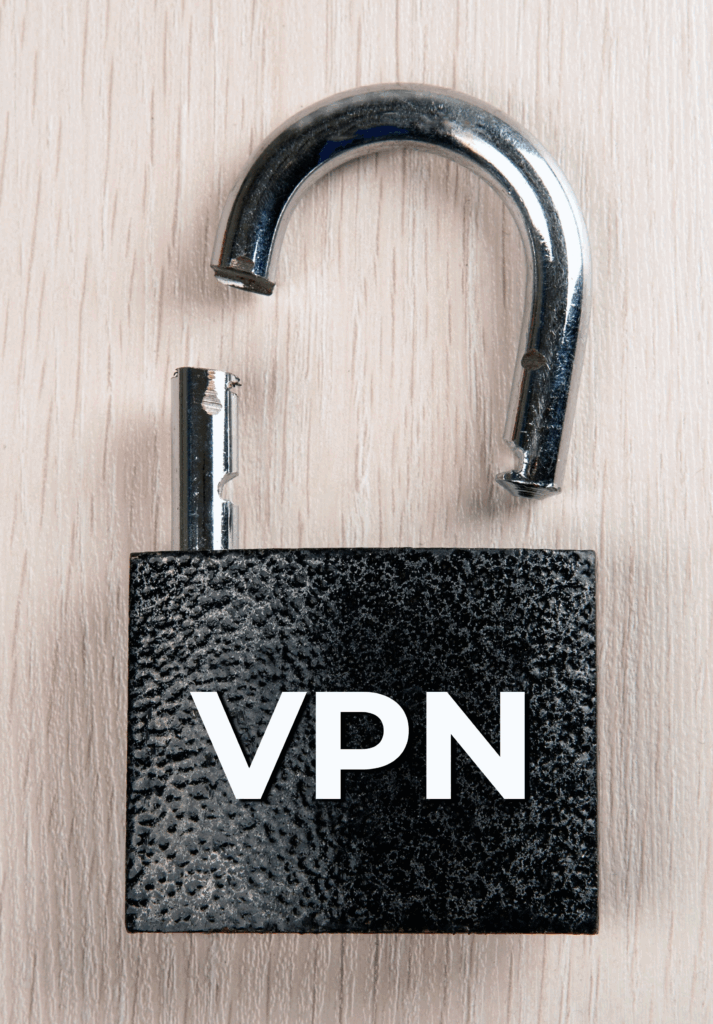
In these cases, the VPN is not a privacy tool at all. It is simply a data collection mechanism disguised as one.
System Stability and Performance Issues
Because cracked VPN apps are modified outside official development channels, they tend to be unstable. Users often experience random disconnections, broken Internet access, application crashes, or conflicts with security software.
Updates are typically disabled to avoid breaking the crack. As a result, bugs and known vulnerabilities remain unpatched and permanently exposed.
Legal and Account Risks
Using cracked software violates the VPN provider’s terms of service and may also violate local copyright or software laws. Some providers actively block or flag connections associated with cracked applications.
In practice, this can lead to banned accounts, flagged IP addresses, or restricted access to online services. Even when enforcement is inconsistent, the risk provides no meaningful benefit.
Why Free VPN Cracks Are a Common Scam
Operating VPN infrastructure is expensive. Bandwidth, server capacity, and ongoing security maintenance all carry real costs. When a VPN crack promises unlimited access at no cost, the value is typically extracted in other ways.
Standard monetization methods include selling user data, injecting ads and trackers, distributing malware, or quietly using devices as part of larger botnets.
How to Spot a Fake VPN Crack
Fake VPN cracks tend to follow predictable patterns. They are often distributed through unofficial forums or anonymous Web pages, request that users disable antivirus protections, or advertise unrealistic claims such as unlimited lifetime access.
Other red flags include missing publisher information, modified app names, and the absence of a clear update or support channel. Legitimate privacy tools do not require bypassing system safeguards to operate.
A Safer Alternative: Legitimate Free VPN Options
If cost is the concern, using a legitimate free VPN is far safer than relying on a cracked app. Reputable providers publish clear limits, maintain update channels, and distribute apps through official stores.
PrivadoVPN offers a free plan built on the same verified application framework as its paid service. The software is not altered, sideloaded, or modified, which keeps device and network behavior predictable.
Cracked VPN vs Legitimate Free VPN
A cracked VPN and a legitimate free VPN may both offer no-cost access, but they operate very differently.
A cracked VPN relies on altered software with unknown code paths and no update mechanism. Users have no visibility into how traffic is handled or who controls the servers. In contrast, a legitimate free VPN uses the same signed application, security updates, and infrastructure as the paid service, with clearly defined limits.
The key difference is trust. One removes safeguards. The other maintains them.
Why PrivadoVPN Is a Better Choice Than a VPN Crack
PrivadoVPN provides a verified application distributed through official channels. Its free plan uses the same core security architecture as the paid service, without modified code or hidden processes.
Upgrading to Premium expands access with unlimited VPN usage, more server locations, and Control Tower features, but even the free version avoids the risks introduced by cracked software.
Frequently Asked Questions About VPN Cracks
No. Because cracked VPNs rely on modified software, there is no reliable way to confirm what the app actually does. Even if it appears to work, hidden tracking or malware may still be present.
Using cracked software violates the VPN provider’s terms of service and may violate copyright or software laws depending on jurisdiction.
Some temporarily mask an IP address, but many leak identifying data or route traffic through untrusted servers, defeating the purpose of a VPN.
Most users are motivated by cost, not realizing that free cracked apps often monetize by collecting data or distributing malware.
Simply Put: VPN Cracks Are Not Worth the Risk
Cracked VPN software replaces transparency with uncertainty. Instead of improving privacy, it introduces malware risk, data exposure, and long-term system instability.For users who want basic protection at no cost, legitimate free VPN options offer a safer option. For broader protection, paid plans provide additional features without compromising trust. If you want complete privacy tools without the risks outlined above, signing up for PrivadoVPN Premium is a straightforward way to move off cracked software and onto a secure, supported VPN service.