
Quick Answer: Temu is a legitimate shopping platform, not an outright scam. However, shopping on Temu in 2026 carries real risks, including unreliable sellers, misleading listings, aggressive tracking, and impersonation scams. Staying safe depends on careful seller review, protecting personal data, and recognizing common scam patterns.
Is Temu Legit or a Scam?
Temu itself is legitimate and processes millions of orders each month. Many shoppers receive precisely what they ordered.
The risk comes from how the platform operates. Temu operates as an open marketplace, so seller quality varies widely, and oversight across listings is inconsistent. Some listings exaggerate quality, size, or brand affiliation, which can lead to disappointment or confusion after purchase.
Temu is not a scam. Certain sellers and external schemes are.
Why Temu Prices Are So Low
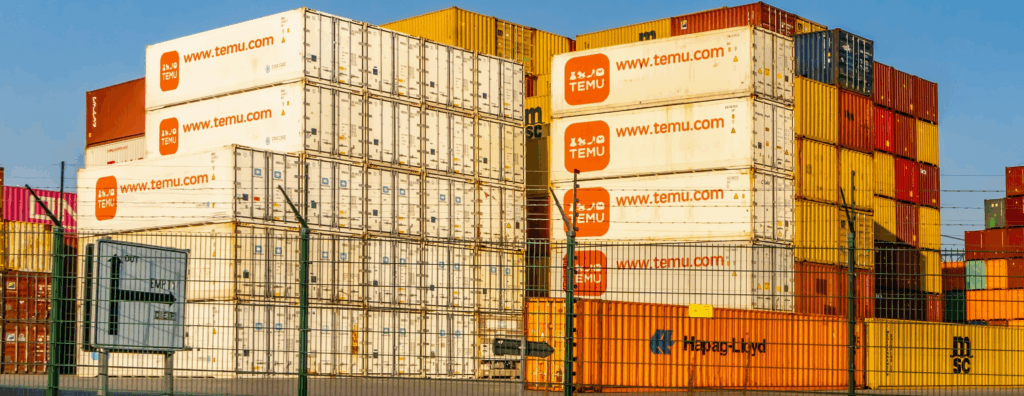
Temu connects buyers directly with overseas manufacturers and third-party sellers, removing many of the layers found in traditional retail. Products are often produced at scale, shipped with minimal branding or packaging, and sold on skinny margins. This factory-direct, high-volume model allows Temu to advertise prices that look unreal compared to local retailers.
Low pricing alone is not a warning sign. The real issue is uneven seller accountability, which can make quality and accuracy unpredictable from one listing to the next.
10 Most Common Temu Scams in 2026
Most Temu scams rely on impersonation, misleading listings, or pressure tactics rather than direct payment theft.
These are the most common Temu-related scams shoppers encounter in 2026:
- Fake brand listings – Logos or images imply authenticity, but the item arrives unbranded or as a replica.
- Bait-and-switch products – Photos show higher quality or larger sizing than what is delivered.
- Free gift or bonus item messages – Claims that you’ve won something, pushing you to enter details off-platform.
- Phony order confirmation messages – Emails or texts posing as Temu support asking you to verify an order.
- Fake customer support accounts – Social media profiles pretending to resolve refunds or delivery issues.
- Unsafe electronics accessories – Chargers and adapters without safety certifications or proper labeling.
- Review manipulation – Inflated ratings using copied language or unrelated photos.
- False scarcity tactics – Timers and “only a few left” notices that constantly reset.
- Delivery exception alerts – Fake shipping notices directing users to malicious links.
- Refund redirection attempts – Sellers asking to move refund conversations outside Temu.
How to Spot a Safer Temu Listing
Before placing an order, it helps to slow down and review the listing carefully. Sellers with months of activity and a visible order history are generally more reliable than brand-new accounts. Reviews that include original photos from multiple buyers tend to be more trustworthy than short, repetitive comments.
Look for listings with precise product specifications rather than vague marketing images, and compare pricing against similar items on the platform. If a deal appears dramatically cheaper than comparable options, it is often a sign to be cautious.
Avoid sellers who request contact outside of Temu or push for off-platform communication.
Privacy and Data Risks to Know About
Like many large shopping platforms, Temu collects device identifiers, shopping behavior, and location-related data. This information is commonly used for advertising, analytics, and personalization across apps and websites.
While this level of data collection is not unique to Temu, it is more aggressive than that used by many Western retailers. Using additional privacy tools can limit how much of that activity is tied directly to your identity during browsing and checkout.
Temu vs Other Marketplaces: Safety Comparison
The table below compares Temu with other major shopping platforms on standard safety and trust factors.
| Platform | Seller Vetting | Product Accuracy | Scam Exposure | Data Collection | Best Use Case |
| Temu | Low to moderate | Inconsistent | Higher | Aggressive | Ultra-low prices on non-critical items |
| AliExpress | Moderate | Mixed | Moderate | High | Budget purchases with longer delivery times |
| Amazon | High (varies by seller) | Generally reliable | Lower | High | Everyday shopping and branded goods |
| eBay | Moderate | Seller-dependent | Moderate | Moderate | Used, collectible, or niche items |
| Walmart.com | High | Reliable | Low | Moderate | Trusted retail and household goods |
Takeaway: Temu trades seller oversight and consistency for lower prices, making it better suited for low-risk purchases rather than critical or branded items.
How PrivadoVPN Actively Protects Temu Shoppers
Temu-related risks extend beyond bad sellers. Many scams rely on tracking, impersonation, and look-alike sites designed to capture personal details.
With PrivadoVPN Premium, shoppers gain multiple layers of protection that go beyond basic browsing safety. Masking your IP address limits cross-site tracking tied to Temu activity. At the same time, encrypted Internet traffic protects shopping sessions on public Wi-Fi. Built-in Threat Protection blocks known malicious domains commonly used in phishing messages and fake Temu alerts.
Ad and tracker blocking reduces exposure to spoofed Temu ads and clone sites, and protection continues beyond checkout, helping reduce the risk of follow-up scams that appear days or weeks after a purchase. This level of security is significant for shoppers who rely on deal links, mobile notifications, or shared networks.
For a deeper breakdown, see how to hide your IP address while browsing online and what a VPN does for everyday privacy.
Temu Safety Checklist (2026)
Use this checklist before and after placing an order:
- Use a strong, unique password for your Temu account
- Avoid Temu links sent by email, SMS, or social media
- Keep all communication inside the Temu platform
- Review seller’s history and genuine photo reviews carefully
- Avoid electronics without a safety certification
- Use privacy protection when shopping on public or shared networks
Temu Safety FAQs
Temu supports secure payments, but the larger risk comes from impersonation scams and fake support messages sent outside the platform.
Temu collects extensive device and behavioral data. Using privacy tools limits how much of that data can be tied to your identity.
Public networks increase the risk of interception and spoofed alerts. Encrypted connections reduce this exposure.
Bottom Line: Is Temu Safe or a Scam in 2026?
Temu is not a scam, but it is not risk-free. The platform combines real bargains with inconsistent sellers and frequent impersonation attempts. Treat Temu as an open marketplace rather than a traditional retailer, and use basic privacy protections and a high-quality security suite like PrivadoVPN to reduce avoidable risks.


1 Comment
Wow that was unusual. I just wrote an extremely long
comment but after I clicked submit my comment didn’t appear.
Grrrr… well I’m not writing all that over again. Anyway,
just wanted to say fantastic blog!