RFID blocking is often marketed as a must-have privacy feature for wallets, passports, and card holders. The idea sounds simple: block wireless scans and stop criminals from skimming card data.
In reality, RFID blocking solves a very small problem. Most privacy and fraud risks happen online, not through contactless cards.
This guide explains what RFID blocking actually is, how skimming works, when RFID protection makes sense, and why broader digital privacy tools offer far more practical protection.
Quick Answer: What Is RFID Blocking?
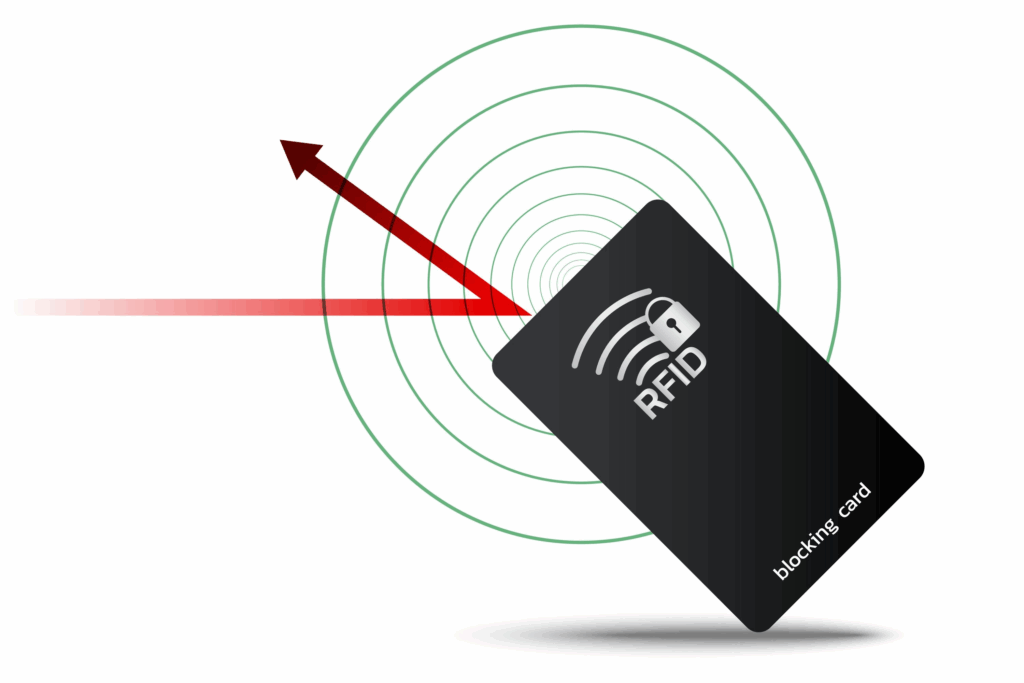
RFID blocking is a shielding method that prevents wireless scanners from reading Radio Frequency ID chips inside contactless cards and passports. It works by blocking radio-frequency signals, preventing nearby readers from accessing the chip’s data.
How RFID Technology Works
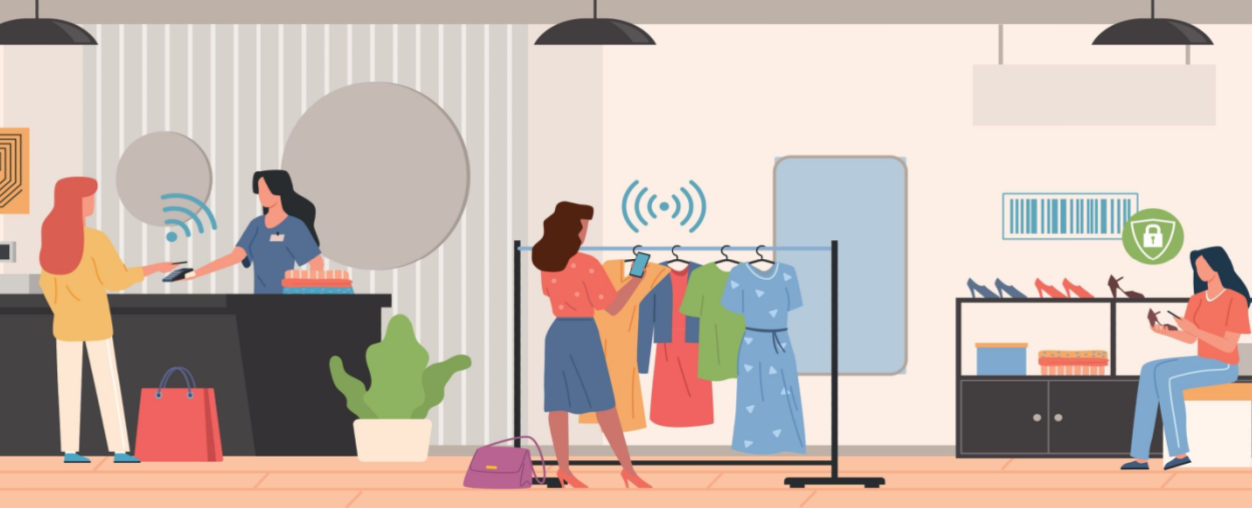
RFID stands for Radio Frequency Identification. Many modern payment cards and passports include a small RFID chip and antenna. When the chip is near a reader, it transmits limited data via short-range radio waves.
RFID is commonly used for:
- Contactless credit and debit cards
- Transit passes
- Hotel key cards
- Electronic passports
The scan range for payment cards is extremely short, typically just a few centimeters.
What Is Skimming?
RFID skimming is the unauthorized reading of RFID chips without physical contact. The concern is that someone with a concealed scanner could capture card data in crowded public places such as airports or transit stations.
In practice, successful RFID skimming faces severe constraints:
- Very short read range
- Encryption on modern cards
- Limited data shared during contactless transactions
Most contactless cards do not transmit full card numbers or sensitive authentication data during an RFID scan.
How RFID Blocking Works
Blocking materials use conductive layers, commonly aluminum or copper, to interfere with radio signals. This creates a Faraday-style barrier that prevents scanners from communicating with the chip.
Common blocking products include:
- Wallets with metallic lining
- Individual card sleeves
- Passport covers
When properly designed, these products prevent scanners from powering or reading the RFID chip.
Does RFID Blocking Actually Work?
Yes. RFID blocking works at a technical level. A properly shielded wallet or sleeve can stop RFID signals entirely.
The more relevant question is whether it’s necessary.
Modern contactless cards rely on transaction limits, dynamic data, and aggressive bank fraud monitoring. Compared to phishing, data breaches, and fake websites, real-world RFID theft is rare.
RFID blocking reduces edge-case risk rather than addressing common fraud scenarios.
When RFID Blocking Makes Sense
This technology may be worth considering if:
- You travel frequently and carry contactless passports or transit cards
- You keep multiple contactless cards close together
- You prefer physical privacy layers alongside digital protection
It’s inexpensive and passive, which makes it easy to adopt—just keep expectations realistic.
RFID vs Common Fraud Risks
| Risk Type | How Often It Happens | RFID Blocking Helps? |
| Data breaches | Very common | No |
| Phishing scams | Very common | No |
| Fake websites | Common | No |
| Public Wi-Fi interception | Common | No |
| RFID skimming | Rare | Yes |
This comparison clearly highlights the limitation: RFID blocking addresses one of the least common attack vectors.
Common Myths About RFID

Myth: RFID blocking stops all card theft
Most card fraud happens through breaches, phishing, or compromised merchants—not wireless scans.
Myth: Cards can be scanned from across a room
Contactless cards require extremely close proximity and precise alignment.
Myth: RFID blocking replaces digital privacy tools
RFID blocking only affects physical cards. It does nothing for online activity.
RFID Blocking vs Digital Privacy Protection
RFID blocking reduces a narrow physical risk associated with contactless cards. Digital privacy threats are broader, constant, and far more likely to affect everyday users.
Tracking, profiling, and data exposure typically occur online—through public Wi-Fi networks, mobile apps, and everyday Web browsing. That’s why tools that encrypt Internet traffic, protect your IP address, and reduce exposure on public Wi-Fi matter far more than wallet shielding.
PrivadoVPN Premium protects areas RFID blocking cannot, with advanced features available through the Control Tower dashboard:
- Encrypts Internet traffic on home and public networks
- Helps protect your IP address from trackers and data brokers
- Reduces exposure on public Wi-Fi in airports, cafés, and hotels
- Covers all apps and browsers, not just payment cards
Blocking products protects what’s in your pocket. PrivadoVPN Premium protects all Internet-connected devices and activity across browsers, apps, and public networks.
FAQs About RFID Blocking
It only affects wireless scans. Most credit card fraud comes from breaches, phishing, or compromised websites.
Most modern cards use encryption and transaction limits. Being able to block the RF signal adds reassurance but not significant protection.
The required proximity makes this extremely difficult in real-world conditions.
They solve different problems. RFID blocking protects physical cards. A VPN protects Internet activity, IP addresses, and public Wi-Fi connections.
Bottom Line: Is RFID Blocking Worth It?
This is legitimate technology, but it addresses a limited threat. For most people, it offers reassurance rather than meaningful fraud prevention.
Contactless card abuse is rare compared with the tracking, profiling, and data interception that occur online every day. That’s why physical shielding should never be your primary privacy strategy.
If you already use a contactless wallet, RFID blocking is a reasonable add-on.
For real-world privacy protection that applies every time you connect to the Internet, PrivadoVPN Premium offers far broader coverage. With encrypted traffic, IP masking, public Wi-Fi protection, and advanced controls available in the Control Tower, it addresses the risks that most users face day to day.Ready to protect more than just your wallet? Get PrivadoVPN Premium to secure your Internet activity across all your devices.